
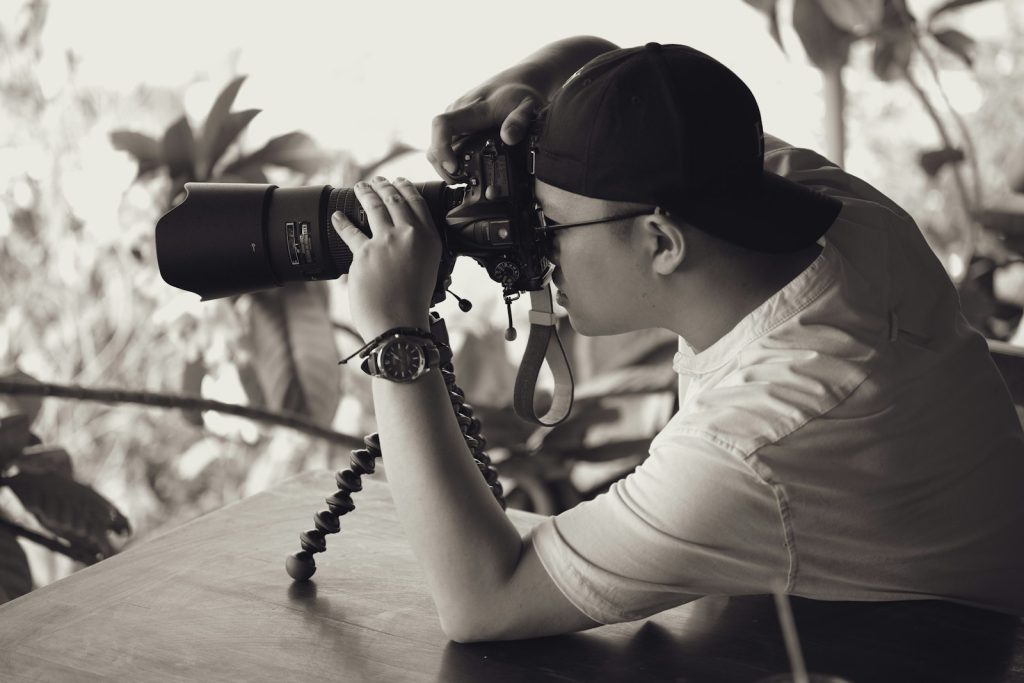
Every day, designers, publishers and marketers license photos from stock agencies for websites, ads, articles and presentations. Contributors – often ordinary photographers – earn a royalty each time their image is licensed. Bangladesh, with its rivers, festivals, markets, textiles, food and everyday life, is under-represented in many stock libraries, which creates real opportunities for local photographers.
This guide explains how stock photography works, what sells, how to submit your first images and how to get paid, along with honest expectations about earnings.
Quick overview
- What it is: uploading your photos to stock agencies, which license them to customers and pay you a royalty per download.
- Equipment: a recent smartphone can work for some content; a camera gives more flexibility.
- What sells: clean, authentic, useful images – people at work, local culture, food, business concepts, textures and locations.
- Legal musts: model releases for recognisable people and property releases where required; no logos or trademarks in commercial images.
- Payouts: many agencies pay monthly via methods such as Payoneer, PayPal or Skrill – check which work for you.
- Earnings: usually small per download; income builds slowly with a large, relevant portfolio.
How stock photography works
- You create an account as a contributor.
- You upload photos with titles, descriptions and keywords.
- The agency reviews them for technical quality and legal compliance.
- Accepted images appear in the agency’s library.
- Customers license them; you earn a royalty – a percentage or a set amount depending on the agency, licence type and sometimes your contributor level.
- The agency pays accumulated earnings on its payout schedule once you reach your payout minimum.
Who it suits
- Photography enthusiasts who shoot regularly.
- People with access to interesting local subjects.
- Patient creators willing to upload consistently for months.
What you need
- Camera: a modern smartphone with good light, or an entry-level camera.
- Editing: Lightroom Mobile, Snapseed or desktop editors for basic corrections.
- Contributor accounts at one or two reputable agencies.
- Tax information: many agencies require an approved tax form (for example, a W-8BEN for non-US contributors) before paying.
- A payout method available to you in Bangladesh – for example, Payoneer where supported.
- Release forms for people and some private property.
What sells: subject ideas
| Category | Examples |
|---|---|
| People and work | Freelancers at laptops, farmers, shopkeepers, students (with model releases) |
| Culture and festivals | Pohela Boishakh preparations, markets, crafts (editorial rules may apply) |
| Food | Traditional dishes, street food, spices – clean, appetising compositions |
| Places | Rivers, tea gardens, cityscapes, rural landscapes |
| Concepts | Money, education, technology, teamwork, sustainability |
| Textures and backgrounds | Jute, fabric patterns, wood, walls |
Authentic, well-lit, uncluttered images with space for text are especially useful to designers.
Step-by-step: from first photo to first sale
Step 1: Learn the technical basics
- Sharp focus on the subject.
- Correct exposure; avoid blown highlights.
- Low noise – shoot in good light.
- Straight horizons and clean composition.
Step 2: Understand commercial vs editorial
- Commercial images can be used in ads and marketing. They need releases for recognisable people and must not show logos or trademarks.
- Editorial images show newsworthy or cultural events and can include logos or crowds, but cannot be used for advertising. Agencies have specific captioning rules for editorial content.
Step 3: Sign up as a contributor
Choose a reputable agency, create a contributor account with your legal name, complete identity verification and tax forms, and set up payouts.
Step 4: Prepare your first batch
Select your best 10-20 images. Edit lightly and consistently. Remove logos from commercial shots.
Step 5: Keyword and describe carefully
Customers find images through search. Write:
- a clear, descriptive title (“Young woman working on laptop in a Dhaka café”);
- relevant keywords – who, what, where, concept, mood (usually 20-50 precise keywords);
- correct categories.
Avoid irrelevant keywords; agencies may reject spam.
Step 6: Attach releases
For recognisable people, upload a signed model release. Agencies provide release forms or accept standard ones through their apps.
Step 7: Submit, learn and repeat
Read rejection reasons carefully. Improve and upload regularly – consistency matters more than occasional large uploads.
Tools
| Purpose | Tools |
|---|---|
| Shooting | Smartphone or camera, tripod, reflector (even white card) |
| Editing | Lightroom Mobile, Snapseed, desktop editors |
| Keywording | Agency keyword suggestions, careful manual research |
| Releases | Agency release apps or forms |
| Organisation | Folders and a spreadsheet of uploads |
How you get paid
Each agency has its own schedule. For example, Shutterstock calculates earnings at the start of each month and issues payments by the 15th through Payoneer, PayPal or Skrill, once earnings reach the minimum payout you set, and requires an approved tax form. Check each agency’s help centre for current methods, and confirm which work in Bangladesh. See our payments guide.
How to increase earnings
- Upload consistently to grow a large, relevant portfolio.
- Study what sells on your agency (many share trends or best-seller lists).
- Shoot series: many variations of one theme for designers’ needs.
- Cover under-represented local subjects with authentic, respectful images.
- Consider video clips, which some agencies license at higher prices.
A worked example (hypothetical)
Rakib shoots with his phone on weekends. He starts with food photography – fuchka, pitha, biryani – photographed in natural light on clean backgrounds, leaving space for text. He uploads 20 images a week with careful keywords. Several are rejected for noise; he learns to shoot earlier in the day. After a few months, a handful of his food images sell occasionally. He notices “Bangladeshi street food” concept images sell better than plain dish photos, so he shoots more of those. His earnings remain modest, but they grow as his portfolio does.
Common mistakes
- Uploading many similar, low-quality images.
- Keyword spamming.
- Missing model releases.
- Including logos, brand names or artworks in commercial photos.
- Expecting quick income from a small portfolio.
Risks and safety
- Copyright and privacy: respect people’s privacy; get consent and releases.
- Account rules: stealing images or submitting others’ work leads to bans.
- Payout limitations: confirm payout methods before investing effort.
- Safety: be careful photographing in crowded or sensitive locations.
Pros and cons
| Pros | Cons |
|---|---|
| Earn from photos you already enjoy taking | Low earnings per download |
| Images can sell for years | Strict technical and legal rules |
| Showcase Bangladesh to the world | Slow to build meaningful income |
| Flexible schedule | High competition in popular subjects |
Realistic expectations
Most stock contributors earn small amounts, especially at first. Meaningful income usually requires hundreds or thousands of relevant, high-quality images and months or years of consistent uploads. Treat stock photography as a side income that grows slowly, not a quick earner.
Beginner tips
- Start with subjects you can shoot often.
- Shoot in good natural light.
- Upload a small batch weekly.
- Keep a list of rejection reasons and fix them.
Advanced tips
- Plan concept shoots around seasonal demand (festivals, exams, holidays).
- Build model-release relationships with friends and family for lifestyle shots.
- Add short video clips.
- Track which keywords bring sales and refine.
Frequently asked questions
Can I sell stock photos taken with a phone?
Yes, if they meet technical standards. Good light and steady shots are key.
Which stock agency is best for beginners?
Choose reputable agencies with clear contributor rules and payout methods that work for you. Many photographers start with one or two.
Do I need model releases for strangers?
For commercial use of recognisable people, yes. Without releases, images may only be accepted as editorial, if at all.
How much can I earn from stock photography?
Earnings per download are usually small. Income depends on portfolio size, quality, subject demand and consistency.
Can I sell the same photo on several sites?
Often yes for non-exclusive agencies, but read each agency’s terms.
Final step
Choose one subject you can shoot this weekend and plan ten clean, well-lit images with space for text. Then create a contributor account and complete your tax and payout settings. More ideas are in our side hustle guides.