
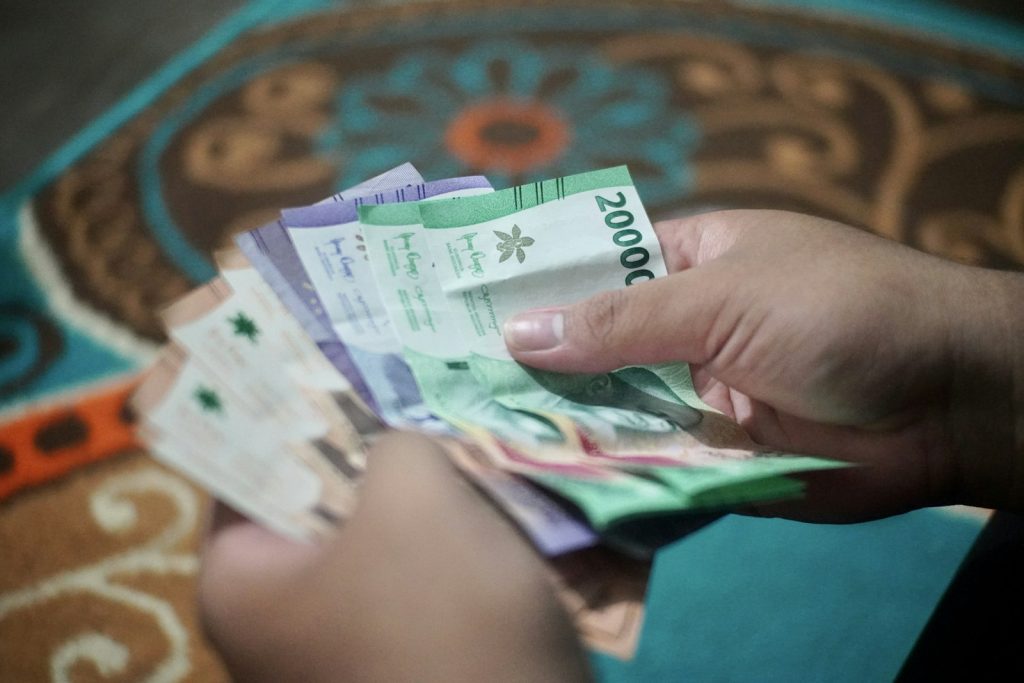
You finished the project, the client approved it, and the dollars are sitting in your marketplace balance. Now comes the question many beginners in Bangladesh struggle with: how do you actually get that money into your own bank account – safely, legally and without losing too much to fees?
This guide explains every mainstream option, step by step, and helps you choose the right one for your situation. It also covers the documents banks may ask for, how to avoid frozen payments and why you should never use someone else’s account.
Quick overview
- Most common routes: marketplace → Payoneer → local bank; marketplace → direct to local bank; direct client → your bank by international transfer (SWIFT).
- Key rule: always receive money into accounts registered in your own name, using official methods.
- Costs to watch: withdrawal fees, currency conversion margins and any receiving charges from your bank.
- Bonus: earnings received through proper banking channels may qualify for Bangladesh’s cash incentive for freelancers – reported at 2.5% for FY2026-27.
- Not available: PayPal’s full service for receiving money in Bangladesh, as of this writing.
How international freelance payments work
When a client pays you from abroad, the money usually travels through several steps:
- The client pays the marketplace (or pays you directly).
- The marketplace holds the money until the work is approved and any clearance period passes.
- You choose a withdrawal method.
- The money moves to a payment service or directly to your bank, often converting from US dollars to taka along the way.
- Your bank credits your account as inward foreign remittance.
Each step can add a fee or a delay. Understanding the chain helps you pick the cheapest and most reliable route for you.
Who needs this guide
- New freelancers preparing for their first withdrawal.
- Freelancers moving from one platform to another.
- Anyone starting to work with direct clients outside marketplaces.
- Remote workers paid by foreign companies.
Set up your payment method before your first payment is due. Verification can take days, and it is stressful to wait while money sits unreachable.
What you need
- A valid National ID (NID) card or passport.
- A bank account in your own name – savings or current – at a bank that handles foreign remittance. Most major banks do.
- Your bank’s SWIFT code, routing number and your exact account name and number.
- A mobile number and email you control, for verification codes.
- For some services, proof of address and a record of your freelance activity.
Ask your branch two questions early: “Can I receive freelance income from abroad into this account?” and “What documents do you need when it arrives?”
Option 1: Marketplace to Payoneer, then to your bank
Payoneer is a global payment company used by many marketplaces. It gives you an online account that can receive marketplace payouts and, in some cases, payments from clients.
Step-by-step:
- Sign up for Payoneer – ideally through your marketplace’s payment settings, which links the accounts correctly.
- Enter your details exactly as they appear on your NID. Mismatched names are the most common reason for rejection.
- Upload identity documents when requested and wait for approval.
- In the marketplace, choose Payoneer as your withdrawal method.
- Withdraw your balance to Payoneer.
- In Payoneer, withdraw to your Bangladeshi bank account in BDT. Some users can also withdraw to a bKash wallet through Payoneer’s partnership.
Costs: Payoneer charges for some services, including currency conversion when you withdraw to a local bank (commonly a percentage), and an annual account fee that applies if you receive less than a set amount in 12 months. Fees change, so read Payoneer’s current pricing page before you rely on it.
Good for: Fiverr sellers and anyone paid by several platforms. Our Payoneer setup guide covers the process in more detail.
Option 2: Marketplace direct to your local bank
Some platforms can send money straight to a Bangladeshi bank account in taka.
Upwork example: Upwork’s “Direct to Local Bank” option sends BDT to your account. Its published fee has been US$0.99 per transfer, with delivery typically in a few business days, though bank compliance checks can add time. Upwork shows the fee and exchange rate before you confirm each withdrawal.
Step-by-step:
- Go to your marketplace’s payment or withdrawal settings.
- Add “Direct to Local Bank” (or similar).
- Enter your bank name, branch, account holder name, account number and routing number carefully.
- Complete any security verification.
- Withdraw a small amount first to test that everything works.
Good for: Upwork freelancers who want a simple route without an extra account.
Option 3: Direct clients by international bank transfer (SWIFT)
When you work with clients outside marketplaces, they can pay your bank account directly.
Step-by-step:
- Send your client an invoice with: your full name as on your bank account, bank name and address, account number, SWIFT code and a clear description such as “Web design services – Project X”.
- The client sends a SWIFT transfer in USD (or another currency).
- Your bank receives it and may contact you to confirm the purpose. Explain that it is payment for IT or freelance services and provide your invoice or contract if asked.
- The bank converts and credits the amount.
Costs: the sender’s bank, any intermediary bank and sometimes your bank may charge fees. Agree in advance who pays which charges.
Good for: long-term direct clients and larger payments.
Option 4: Other international payment services
Several newer fintech services offer foreign-currency receiving accounts to Bangladeshi freelancers and then pay out to local banks. Availability, fees and regulations change quickly. Before using any of them:
- confirm the service is legally allowed to operate for Bangladeshi users;
- read reviews from other Bangladeshi freelancers;
- start with a small test transfer;
- make sure payouts arrive through proper banking channels so your income is documented.
Comparing the main options
| Route | Setup effort | Typical costs | Speed | Best for |
|---|---|---|---|---|
| Marketplace → Payoneer → bank | Medium | Conversion fee, possible annual fee | Days | Fiverr and multi-platform freelancers |
| Marketplace → direct to local bank | Low | Small withdrawal fee plus exchange margin | Days | Upwork freelancers |
| Direct client → SWIFT to bank | Low (for you) | Bank and intermediary charges | Days | Direct and long-term clients |
| Other fintech receiving accounts | Medium | Varies widely | Varies | Freelancers who have researched them carefully |
How to avoid delays and frozen payments
- Use exactly the same name on your marketplace, payment service and bank account.
- Never let anyone else use your account, and never use theirs.
- Keep contracts, invoices and platform statements for every payment.
- Reply quickly and clearly when your bank asks about the source of funds.
- Avoid unusual patterns – for example, receiving money for “friends” and passing it on.
- Keep your contact details updated so security codes reach you.
The cash incentive for freelancers
Bangladesh Bank has continued a cash incentive on export earnings, and for July 2026 to June 2027 individual freelancers exporting software and ITES services were reported to receive 2.5%. To claim it, your earnings generally need to come through formal banking channels, and your bank may ask for supporting documents. Ask your bank’s foreign exchange desk how it handles freelancer incentive claims. Our tax and incentive guide explains more.
Keeping records for tax
From your very first payment, keep a simple spreadsheet with: date, client, platform, amount in USD, amount received in BDT, fees and a link to the invoice or statement. This makes tax filing, bank questions and incentive claims far easier. Tax rules for freelancers have changed several times, so check current guidance from the National Board of Revenue or a qualified adviser.
Common mistakes
- Waiting until the first payment to set up a withdrawal method.
- Typing account details incorrectly – a single wrong digit can bounce a transfer.
- Using a relative’s account “just for now”.
- Withdrawing tiny amounts repeatedly and paying fixed fees each time.
- Ignoring the exchange rate and looking only at the withdrawal fee.
- Accepting direct payments from strangers who “overpay” and ask for refunds.
Risks and safety
- Scams: fake “payment agents” who offer to receive your money for a commission, or messages claiming a payment is waiting if you share an OTP. Read our scam guide.
- Account limits: payment services may restrict accounts for identity mismatches or suspicious activity.
- Regulation: foreign exchange rules can change. Follow official announcements and your bank’s guidance.
Pros and cons of the main routes
| Route | Pros | Cons |
|---|---|---|
| Payoneer | Works with many platforms; flexible | Fees for conversion and possibly annual fee |
| Direct to local bank | Simple; low fixed fee | Only on platforms that offer it |
| SWIFT | Professional; good for large amounts | Intermediary charges; slower paperwork |
Realistic expectations
Most withdrawals reach Bangladeshi bank accounts within a few business days once your accounts are verified. The first withdrawal often takes longer because of verification and bank checks. Budget for small losses to fees and exchange margins – they are a normal cost of international work.
Beginner tips
- Set up and verify one withdrawal method as soon as you create your marketplace profile.
- Test with a small withdrawal first.
- Save a PDF statement for every withdrawal.
- Compare the final taka amount across methods, not just the listed fee.
Advanced tips
- Batch withdrawals to reduce fixed fees, while keeping enough cash flow for your needs.
- For direct clients, issue professional invoices and agree on who pays bank charges.
- Consider the government freelancer ID once eligible; it can support official and bank processes.
- Keep a separate bank account for freelance income to simplify records.
Frequently asked questions
Can I receive PayPal payments in Bangladesh?
PayPal’s full receiving service has not launched in Bangladesh as of this writing. Do not use another person’s foreign PayPal account – it can lead to frozen funds and broken rules.
Which is cheaper: Payoneer or direct to local bank?
It depends on the amount, platform and current rates. Compare the final BDT you receive for the same USD amount through each method.
Do I need a special bank account for freelance income?
Usually a normal savings or current account in your name can receive foreign remittance. Ask your bank whether any specific account type is recommended.
Why is my bank asking questions about my payment?
Banks must check the source of inward foreign funds. Explain that it is payment for freelance or IT services and share your invoice or platform statement.
Can I withdraw directly to bKash?
Some Payoneer users can withdraw to bKash through a partnership. Check availability and limits inside your Payoneer account.
Final step
Choose the route that matches your platform today, set it up, and complete verification before you need it. Then keep good records from your first payment onwards. For more, browse our Payments & Safety guides or start at the beginner path.