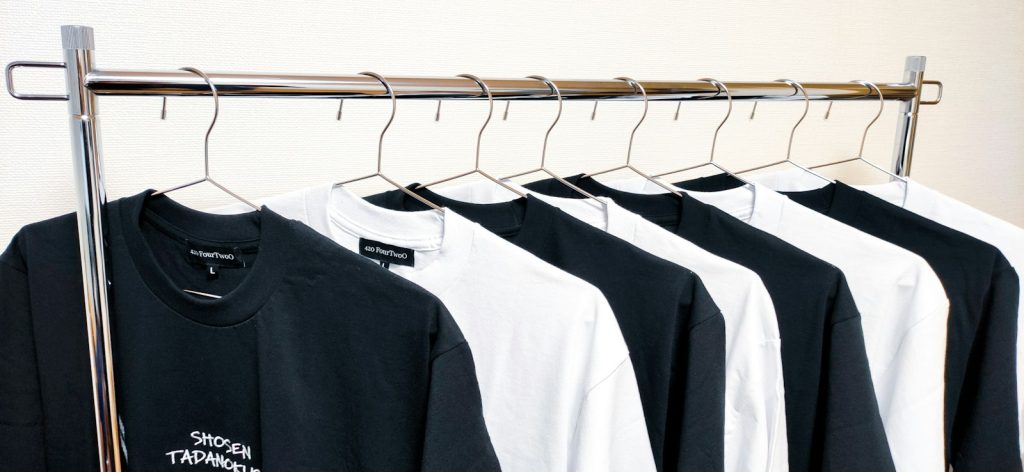
Print on demand (POD) lets you sell products with your designs – T-shirts, mugs, posters, phone cases, tote bags – without buying stock, printing or shipping yourself. A customer orders, a print partner produces and ships the item, and you earn the difference between the retail price and the production cost. It sounds like a perfect low-risk online business, and in some ways it is. But POD is also extremely competitive, margins are often thin, and copyright mistakes can close your account.
This guide explains how POD works, the two main business models, what it really costs, how to create designs that sell legally and how sellers in Bangladesh can approach it.
Quick overview
- How it works: you upload designs; products are printed and shipped only when ordered.
- Two models: marketplace POD (upload designs to a site with built-in customers) or integrated POD (connect a printing service to your own store).
- Costs: little upfront cost, but you may pay for store subscriptions, samples, design tools and advertising.
- Margins: often modest per item; volume and niche matter.
- Biggest risks: copyright/trademark infringement, low sales, and payout limitations.
How print on demand works
- You create a design.
- You upload it to a POD platform and place it on products.
- A customer buys the product.
- The POD company prints, packs and ships it, usually from facilities in the customer’s region.
- You receive a royalty (marketplace model) or the difference between your price and the production cost (integrated model).
The two main POD models
| Marketplace POD | Integrated POD with your own store | |
|---|---|---|
| Examples of how it works | Upload designs to a marketplace that has its own buyers | Connect a print partner to your Shopify/WooCommerce store |
| Traffic | Marketplace search brings buyers | You must bring your own traffic |
| Control over price | Limited | Full control |
| Upfront costs | Very low | Store fees, apps, ads |
| Branding | Limited | Strong |
| Best for | Designers testing ideas | Brands with marketing plans |
Who POD suits
- Designers and illustrators with lots of ideas.
- People who understand a specific community’s humour, interests or culture.
- Sellers willing to test many designs and learn marketing.
What you need
- Design skills or a tool like Canva, Illustrator or Procreate.
- Commercial-use fonts and assets (or your own).
- Accounts on POD platforms that accept sellers from Bangladesh and pay through methods you can use.
- A niche and audience understanding.
- Patience for testing and iteration.
Step-by-step: starting print on demand
Step 1: Check eligibility and payouts first
Before designing anything, confirm that the platform lets you open an account from Bangladesh and pays through a method you can receive legally (for example, bank transfer or Payoneer where available). Some platforms pay only via PayPal, which is not available for receiving money in Bangladesh.
Step 2: Choose a niche
Broad designs (“cool cat”) compete with millions. Niches perform better:
- professions (nurses, teachers, programmers);
- hobbies (cricket, fishing, gardening, chess);
- cultural themes you understand deeply (with respect and originality);
- life events (graduation, new parents);
- local pride designs for specific markets.
Step 3: Research demand
Search marketplaces and social media for your niche. Look at what styles and phrases appear frequently, but never copy designs.
Step 4: Create original designs
- Keep designs readable and clear at small sizes.
- Use high-resolution files meeting the platform’s specifications.
- Use only fonts and graphics with commercial licences.
- Create variations for different products (dark and light shirts).
Step 5: Avoid copyright and trademark problems
Never use:
- brand names, logos or slogans you do not own;
- characters from movies, cartoons, games or books;
- celebrity names or photos;
- sports team logos;
- song lyrics or famous quotes you do not have rights to;
- trademarked phrases (search trademark databases if unsure).
Infringement can lead to removed designs, frozen payouts and closed accounts.
Step 6: Write good titles, tags and descriptions
Describe the design clearly and include relevant search terms buyers might use, without keyword stuffing.
Step 7: Order samples (for your own store)
If you run your own store, order samples to check print quality – international shipping to Bangladesh can be costly or slow, so plan accordingly.
Step 8: Market your designs
- Share designs in relevant communities (following rules).
- Use Pinterest and Instagram for visual discovery.
- Build an email list around your niche.
- Test small ad budgets only when you understand margins.
Costs and margins (example)
| Item | Example (hypothetical, integrated model) |
|---|---|
| Retail price | $24 |
| Production and fulfilment cost | $13 |
| Shipping | Often charged to customer |
| Payment processing | A few percent |
| Store and app fees | Monthly subscription spread over orders |
| Advertising cost per sale | Can easily exceed the margin if not managed |
| Profit | What remains – sometimes very little |
Marketplace royalties are often smaller per item but require no ad spend.
How you get paid
Marketplaces pay royalties on their schedule via their payout methods. Integrated models collect customer payments through your store’s payment gateway; the POD partner charges you production costs. Confirm every payout path works in Bangladesh. See our payments guide.
How to increase earnings
- Upload consistently and learn from sales data.
- Build design collections for proven niches.
- Improve mock-ups and product photos.
- Create seasonal designs ahead of holidays.
- Build a brand with a loyal community rather than chasing random trends.
A worked example (hypothetical)
Rafi, an illustrator, focuses on designs for cricket fans who enjoy clever, original artwork – no team logos or player names. He checks that a marketplace accepts his account and pays through a method he can use, then uploads 40 designs over two months. Most get few views; three begin to sell occasionally. He creates variations of the best-sellers and shares process videos on Instagram. His income remains modest, but it grows as his portfolio does, and a local café commissions him for custom merchandise.
Common mistakes
- Using copyrighted characters or brand names.
- Uploading a handful of designs and expecting sales.
- Choosing platforms that cannot pay you.
- Ignoring print file requirements.
- Spending heavily on ads without understanding margins.
Risks and safety
- Intellectual property claims leading to account closure.
- Low margins that disappear with ads.
- Payout restrictions for sellers in some countries.
- Scam courses promising passive POD income.
Pros and cons
| Pros | Cons |
|---|---|
| No inventory | Intense competition |
| Low upfront cost | Thin margins |
| Global reach through partners | Copyright risks |
| Creative outlet | Payout limitations in some countries |
Realistic expectations
Many POD sellers earn little in their first months. Success usually comes from a large portfolio of original designs in well-chosen niches, consistent uploads and marketing. It is best treated as a long-term creative side business.
Your 30-day POD plan
| Days | Action |
|---|---|
| 1-3 | Check platform eligibility and payouts |
| 4-7 | Choose a niche; research demand |
| 8-20 | Create 20 original designs with licensed assets |
| 21-25 | Upload with good titles and tags |
| 26-30 | Share on social media; review views and favourites |
Key terms explained
- POD: print on demand – products made only after an order.
- Royalty: your earnings from a marketplace sale.
- Base cost: the price the print partner charges for production.
- Mock-up: an image showing your design on a product.
- Trademark: a legally protected brand name, logo or phrase.
Beginner tips
- Start with a niche you know well.
- Create many simple, clean designs.
- Keep a list of licensed fonts and assets.
- Check trademarks before uploading phrases.
Advanced tips
- Build your own brand store with an email list.
- Collaborate with niche communities or creators.
- Use analytics to double down on best-selling themes.
- Offer custom designs as a service alongside POD.
Frequently asked questions
Can I do print on demand from Bangladesh?
It depends on each platform’s seller eligibility and payout methods. Check before investing time.
Do I need to be a professional designer?
No, but designs must be original, clear and appealing. Simple typography designs can work in the right niche.
How many designs do I need?
Most sellers upload many designs before seeing consistent sales.
Is it legal to use quotes on shirts?
Only if they are not copyrighted or trademarked, and you have the right to use them.
Can I print locally in Bangladesh instead?
Yes – many local print shops offer on-demand printing for local sales through F-commerce. See our F-commerce guide.
Final step
Check two POD platforms’ seller eligibility and payout methods today. If they work for you, choose one niche and sketch ten original design ideas. More ideas are in our online business guides.