
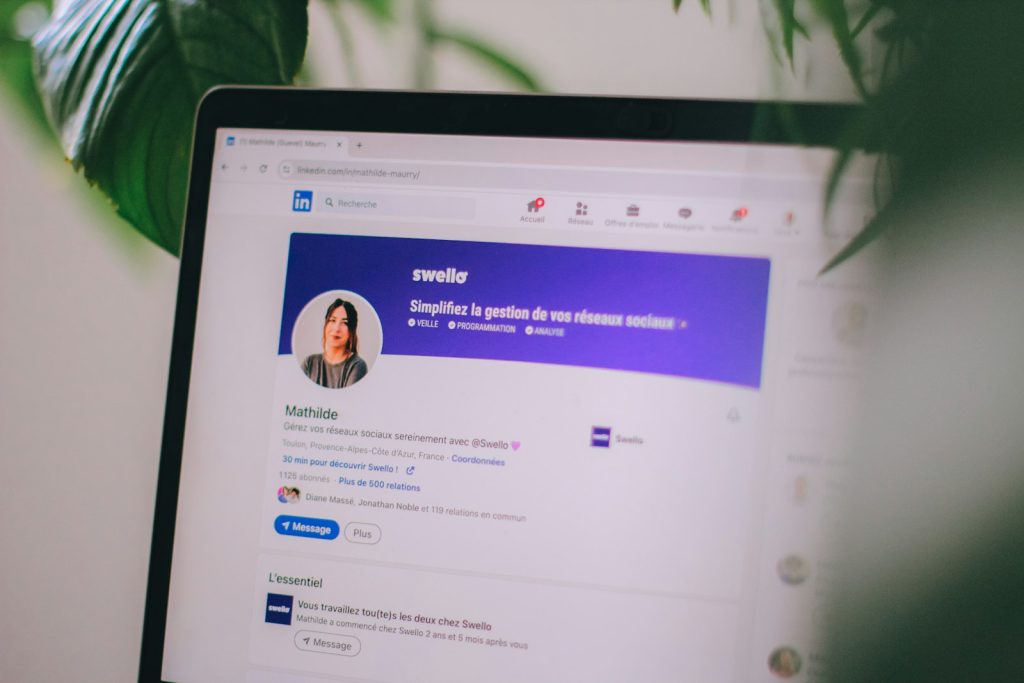
Marketplaces are a great place to start freelancing, but relying on them forever has costs: platform fees, intense competition and the risk that an algorithm change or account issue cuts off your income. Many experienced freelancers build a second channel – direct clients found through LinkedIn, respectful outreach and referrals. Direct clients often pay better, stay longer and see you as a partner rather than a line in a search result.
This guide shows you how to find direct clients step by step, with practical scripts, a weekly routine and important safety and etiquette rules.
Quick overview
- Main channels: LinkedIn, personalised cold email, referrals, communities and a simple portfolio website.
- Key to success: a clear niche, a strong profile and personalised, helpful outreach.
- Volume: consistent small daily actions beat occasional bursts.
- Payments: use contracts, deposits and legal international transfers.
- Etiquette: never spam; respect privacy, anti-spam laws and platform rules.
Why direct clients matter
- Higher take-home pay: no marketplace fee.
- Longer relationships: retainers and ongoing work are more common.
- Independence: less dependence on one platform.
The trade-off: you handle contracts, invoicing and payment protection yourself.
Who this suits
Freelancers with some proven work (even a few marketplace projects or strong practice pieces), clear communication skills and willingness to do consistent outreach. Complete beginners can start too, but a portfolio makes outreach far more effective. See How to Build a Portfolio.
What you need
- A clear niche and offer (“I help dental clinics get more bookings with fast WordPress websites”).
- An optimised LinkedIn profile.
- A portfolio with 3-6 relevant case studies.
- A professional email address (ideally on your own domain).
- A simple tracking spreadsheet or free CRM.
- A basic contract and invoice template.
Step-by-step: building a direct-client channel
Step 1: Define your niche and offer
Choose one industry and one outcome. Specific offers are easier to understand and remember than “I do design and development”.
Step 2: Optimise your LinkedIn profile
- Headline: who you help and how (“WordPress websites for clinics | Faster sites, more bookings”).
- Photo and banner: professional and clear.
- About section: the problem you solve, your process and a call to action.
- Featured: your best case studies and portfolio links.
- Experience: list freelance work with results.
Step 3: Build a target list
Find 50-100 potential clients that fit your niche: companies of the right size and industry, in countries where you can work. Use LinkedIn search, industry directories and Google Maps listings. For each, note the decision maker (owner, marketing manager) and a specific observation (for example, their website is slow on mobile).
Step 4: Warm up before pitching
On LinkedIn, follow the company and person, and leave thoughtful comments on their posts for a week or two. Being recognised makes your message more welcome.
Step 5: Send personalised, helpful messages
LinkedIn connection note (example):
Hi Sarah, I enjoyed your post about patient experience at your clinic. I help clinics improve their websites for mobile bookings and would be glad to connect.
Follow-up after connecting (example):
Thanks for connecting, Sarah. I noticed your booking page takes a while to load on mobile – I ran a quick free check and found two simple fixes. Would it be helpful if I shared them?
Offer value first. Do not paste a long sales pitch into the first message.
Step 6: Cold email carefully
When you email businesses:
- send to business addresses, one at a time, personalised;
- keep it short: who you are, the specific observation, a small offer, a simple question;
- include your full name, and make it easy to decline;
- respect anti-spam laws in the recipient’s country and stop if asked.
Cold email example:
Subject: Quick idea for [Clinic Name]’s booking page
Hi Dr. Rahman,
I’m a web developer who works with clinics. I noticed your booking page loads slowly on mobile, which can cause patients to leave before booking. I put together a short list of three fixes – happy to send it over at no cost.
Would that be useful?
Best regards, [Your name] – [portfolio link]
Step 7: Follow up politely
One or two gentle follow-ups spaced a week apart are acceptable. After that, move on.
Step 8: Convert interest into a project
- Hold a short call to understand goals.
- Send a clear proposal with scope, timeline, price and payment terms.
- Use a written contract.
- Request a deposit before starting.
Other direct-client channels
- Referrals: ask satisfied clients if they know others who need help.
- Former colleagues and teachers: your professional network often knows businesses that need help.
- Communities: industry Slack groups, forums and associations.
- Your website and content: publishing helpful articles or case studies attracts inbound enquiries.
- Local businesses: in-person trust can be powerful in your own city.
Tools
| Purpose | Tools |
|---|---|
| Profile and prospecting | LinkedIn, Google Maps, industry directories |
| Tracking | Google Sheets, free CRM tools |
| Professional email with your domain | |
| Proposals and contracts | Google Docs templates |
| Invoicing | Invoice templates or free invoicing tools |
How to get paid safely by direct clients
- Agree payment terms in writing (for example, 50% upfront, 50% on delivery).
- Send professional invoices with your bank details for international transfers.
- Use milestone payments for larger projects.
- Keep records for your bank and tax purposes.
See How to Receive Freelance Payments in Bangladesh.
Important note about marketplace clients
Do not move clients you met on a marketplace off the platform – it usually violates marketplace terms. Build your direct channel with new clients you find independently.
A weekly outreach routine
| Day | Activity |
|---|---|
| Monday | Add 10 new prospects to your list with notes |
| Tuesday | Engage with prospects’ posts; send 5 connection requests |
| Wednesday | Send 5 personalised emails or messages |
| Thursday | Follow up on previous week’s messages |
| Friday | Publish one helpful LinkedIn post or case study |
Consistency over weeks is what produces results.
A worked example (hypothetical)
Tahmid, a WordPress developer with Upwork experience, chooses dental clinics in English-speaking countries as his niche. He rewrites his LinkedIn headline, adds two clinic-related case studies and builds a list of 60 clinics. Each week he engages with a few owners’ posts and sends a small number of personalised messages offering a free speed check. Most do not reply. After several weeks, two clinic owners accept the free check; one hires him to rebuild their booking page with a deposit upfront. That client later refers another clinic.
Common mistakes
- Sending the same generic message to hundreds of people.
- Pitching in the first sentence of a connection request.
- Targeting “everyone” instead of a niche.
- No follow-up system.
- Starting work without a contract or deposit.
- Taking marketplace clients off-platform.
Risks and safety
- Spam complaints and restricted LinkedIn accounts from aggressive messaging.
- Non-payment without deposits or contracts.
- Fake “clients” sending suspicious files or overpayments.
- Privacy: do not scrape or misuse personal data.
Pros and cons
| Pros | Cons |
|---|---|
| No platform fees | Slow to build |
| Higher rates and longer relationships | You handle contracts and payments |
| Less platform dependence | Requires sales effort and resilience |
| Builds your professional brand | Rejection and silence are common |
Realistic expectations
Direct outreach usually has low response rates at first. Results come from consistency, a clear niche and strong proof of work. Many freelancers land their first direct client after weeks or months of steady effort, and referrals then make it easier.
Beginner tips
- Pick one niche and one country or region.
- Keep messages short and specific.
- Track every contact.
- Share useful content weekly on LinkedIn.
Advanced tips
- Build case studies with measurable results.
- Offer a small paid “audit” as an entry product.
- Create retainer packages for ongoing work.
- Partner with complementary freelancers for referrals.
Frequently asked questions
Is cold emailing legal?
Rules vary by country. Send personalised business emails, identify yourself clearly, provide an easy opt-out and respect local anti-spam laws.
How many messages should I send?
Quality matters more than quantity. A handful of well-researched messages daily is more effective than mass messages.
Should I offer free work?
A small, useful free insight (like a quick audit) can open doors. Avoid doing full projects for free.
Do I need a website?
It helps a lot for credibility, but a strong LinkedIn profile and portfolio can work at first.
How do I handle payments from direct clients abroad?
Use contracts, deposits and legal international bank transfers into your own account.
Final step
Choose your niche today, rewrite your LinkedIn headline and add 10 prospects to a spreadsheet. Then send your first three personalised messages this week. For more, explore our freelancing guides.