
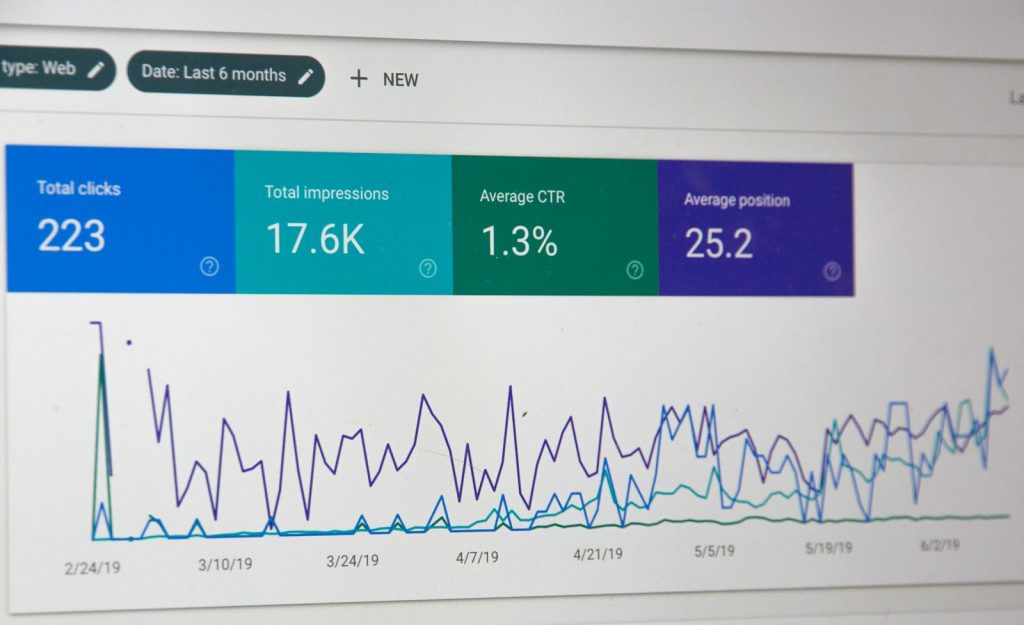
You have published your first articles, shared them with friends and… the analytics graph barely moves. This is normal. Every blog starts at zero, and the first thousand visitors are the hardest because search engines do not yet trust your site and no one knows it exists.
This guide gives you a practical, ethical plan to reach your first 1,000 visitors – without buying traffic, spamming groups or using tricks that hurt your blog later.
Quick overview
- Main engines of early traffic: specific search-focused articles, helpful community participation, social sharing and an email list.
- Timeline: often a few months; search traffic usually starts slowly.
- Key tools: Google Search Console, Google Analytics, Google Trends and community platforms.
- Avoid: buying traffic, link schemes, spammy promotion and mass low-quality content.
Why early traffic is hard
New sites have little history and few links from other websites. Search engines need time to discover, understand and trust your content. Meanwhile, social platforms prioritise content that keeps users on their own apps. Your job is to make your content easy to find, genuinely useful and shared in the right places.
Who this guide is for
- New bloggers with 5-30 published posts.
- Bloggers whose traffic has stayed flat.
- Freelancers or small businesses with a blog section.
What you need
- A blog with at least a handful of helpful articles.
- Google Search Console connected and sitemap submitted.
- Google Analytics or a privacy-friendly alternative.
- Accounts on one or two communities where your audience asks questions.
- An email sign-up form.
Step-by-step plan
Step 1: Fix the foundations (Week 1)
- Make sure your site loads quickly and works well on mobile.
- Use clear titles and meta descriptions for every post.
- Check Search Console for indexing issues.
- Create About, Contact and Privacy pages – they help readers trust you.
Step 2: Publish “low-competition, high-intent” articles (Weeks 1-8)
Instead of broad topics (“how to make money online”), write specific answers:
- “How to withdraw Upwork earnings to a bank in Bangladesh”
- “Best free Canva alternatives for students”
- “How to fix WordPress ‘error establishing database connection'”
Specific questions often have fewer strong answers, giving new blogs a chance. Use our keyword research guide and write using our SEO writing process.
Step 3: Build topic clusters
Group related articles around a main guide. For example, a cornerstone guide on “starting freelancing” linked to posts on proposals, pricing and payments. Link them to each other naturally. This helps readers and search engines understand your expertise.
Step 4: Share in communities – helpfully
Find where your readers ask questions: relevant Facebook groups, Reddit communities, Quora, LinkedIn and niche forums.
- Read the community rules.
- Answer questions fully in the community itself.
- Link to your article only when it adds real value and the rules allow it.
- Be a regular, helpful member – not a link dropper.
Step 5: Repurpose each article
Turn one article into:
- a LinkedIn post summarising key points;
- an Instagram or Facebook carousel;
- a short video;
- a Pinterest pin for visual topics.
Each piece brings people back to the full article.
Step 6: Start an email list
Offer a small, valuable free resource – a checklist or template – in exchange for email sign-ups. Email subscribers return every time you publish.
Step 7: Get a few genuine links
- Guest post on respected blogs in your niche.
- Contribute expert answers to journalists and bloggers who request sources.
- Create a genuinely useful resource (a free template, a data summary) that others want to reference.
Avoid buying links or joining link exchange schemes; they can harm your site.
Step 8: Update and improve (from Month 2)
Use Search Console to find queries where you appear on page 2 or 3. Improve those articles: add missing information, better examples, clearer headings and updated facts.
Tools
| Purpose | Tool |
|---|---|
| Search visibility | Google Search Console |
| Visitor data | Google Analytics |
| Topic ideas | Google Trends, “People also ask”, AnswerThePublic-style tools |
| Graphics | Canva |
| A newsletter tool with a free plan | |
| Scheduling social posts | Free plans of social scheduling tools |
How traffic turns into income
More visitors create more opportunities: ad impressions, affiliate clicks, email sign-ups, product sales and service enquiries. At 1,000 visitors, income is usually small – but you learn what readers want, which is the foundation for growth. See How to Monetise a Blog Beyond Ads.
A 90-day traffic plan (example)
| Month | Focus | Output |
|---|---|---|
| 1 | Foundations and first cluster | 8 focused articles, Search Console setup, email form |
| 2 | Community and repurposing | 6 more articles, 3 community answers per week, 1 repurposed post per article |
| 3 | Improvement and links | Update top 5 posts, 1-2 guest posts, first newsletter series |
A worked example (hypothetical)
A new blog about budget tech for Bangladeshi students publishes eight specific guides in its first month, such as “Best laptops for university under a set budget” and “How to extend laptop battery life”. The owner answers student questions in two Facebook groups where helpful links are allowed, and turns each post into a short Facebook carousel. By month three, Search Console shows the blog appearing for dozens of specific searches, and one guide on battery life starts bringing steady visits. The owner updates that guide and writes three related posts. Monthly visitors grow step by step.
Common mistakes
- Writing only broad, highly competitive topics.
- Sharing links in groups that ban promotion.
- Publishing irregularly, then giving up.
- Ignoring Search Console data.
- Buying cheap traffic that never engages.
- Neglecting mobile experience.
Risks and safety
- Search penalties from link schemes or spammy content.
- Community bans for self-promotion.
- Wasted money on traffic or “SEO packages” that promise rankings.
Pros and cons of organic growth
| Pros | Cons |
|---|---|
| Sustainable, free traffic over time | Slow at the beginning |
| Builds genuine audience trust | Requires consistent effort |
| Compounds as content grows | Search changes can affect traffic |
Realistic expectations
Some blogs reach 1,000 monthly visitors within a few months; others take longer depending on niche, competition, content quality and promotion. What matters is steady growth and learning which topics resonate.
Beginner tips
- Answer one specific question per article.
- Share each post in at least two relevant places (where allowed).
- Check Search Console weekly.
- Keep publishing even when numbers are small.
Advanced tips
- Build internal-link hubs around your best topics.
- Create a linkable asset: a free template, data summary or tool.
- Refresh posts before they become outdated.
- Collaborate with other bloggers on round-ups and guest posts.
Frequently asked questions
How long does it take to get 1,000 visitors?
It varies. Many new blogs take a few months of consistent publishing and promotion.
Should I pay for ads to get traffic?
Ads can test topics, but they do not build lasting organic traffic. Focus on content and genuine promotion first.
Does social media help SEO?
Indirectly – it brings visitors and can lead to links and brand searches – but it is not a direct ranking factor.
How many articles do I need?
Quality and focus matter more than numbers, but 20-30 helpful posts give your blog a solid base.
Why is my traffic dropping?
Check Search Console for indexing issues, compare with seasonal trends and review whether competitors published better content.
Final step
Write down ten specific questions your readers ask and schedule the first three articles this week. Then pick two communities to contribute to. Continue with our blogging guides.